Young Axolotl's Journey to the Wild: A Design Asset for Calm Branding
Welcome, my dear creative friends! 💖 If you've stumbled upon Young Axolotl's Journey to the Wild, you're likely looking for more than just a coloring book. You're seeking a specific aesthetic—a blend of whimsy, nature, and serene detail that can translate beautifully into your design work. As a creative professional, I see this collection not just as a leisure activity, but as a potential source of visual inspiration and a unique design asset. The charming illustrations of axolotls exploring wild aquatic landscapes offer a distinct style that can inform everything from brand identity to digital content.
Understanding the Visual Language of the Axolotl Journey
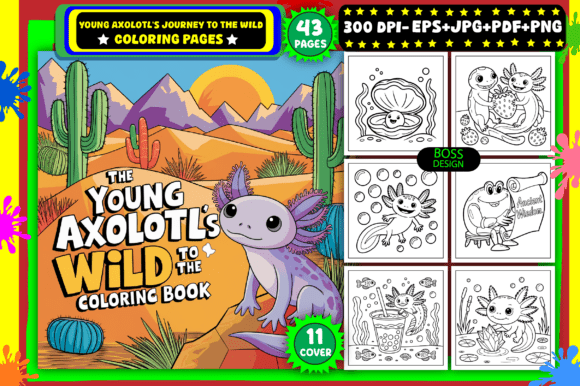
The core appeal of Young Axolotl's Journey to the Wild lies in its detailed yet accessible illustration style. The designs balance intricate natural elements—rippling water, lush plants, and textured riverbeds—with the friendly, approachable character of the axolotl. This creates a visual personality that is both calming and engaging. Think of it as a handwritten font versus a rigid sans serif font; one feels personal and organic, the other structured and neutral. The axolotl journey provides that organic, story-driven feel. The single-sided pages and focus on mindfulness make it a premium experience, which is a key consideration when you're building a brand that values quality and attention to detail.
Practical Applications for Creatives and Business Owners
How can you leverage this specific aesthetic? Let's break it down with practical, real-world applications.
For Brand Identity and Packaging Design
If your brand operates in the wellness, education, children's products, or eco-friendly space, the gentle, nature-inspired art style of this coloring book can be a goldmine. Imagine using these intricate line drawings as a foundational pattern for packaging design. A tea brand could use a simplified axolotl-and-reeds motif on its boxes. A children's therapist's office could frame similar art for a calming environment. The style communicates care, creativity, and a connection to nature without needing a single word of typography. It’s about creating a brand identity that feels warm and trustworthy.
Digital Content and Social Media Graphics
For bloggers, content creators, and marketers, these illustrations are perfect for social media graphics. Use them as backgrounds for inspirational quotes, as featured images for blog posts about mindfulness or creativity, or as unique elements in Instagram Stories. The detailed lines work well at various scales, from a small icon to a full-page background. Pair them with a clean, modern sans serif font for readability, and you have a cohesive, eye-catching visual system. The "journey" theme also lends itself well to serialized content or a visual narrative online.
Editorial and Print Projects
In editorial design, such as magazine layouts, book interiors, or workshop materials, these illustrations can add significant visual interest. They work beautifully as spot illustrations, chapter dividers, or decorative borders. For a self-publisher or a small business creating a workbook or planner, incorporating these designs can elevate the perceived value, making the product feel more premium and thoughtfully crafted. It's a way to incorporate creative font principles—using art as a communicative element—into your layout.
Making It Work: Practical Design Guidance
Integrating a specific art style like this requires some strategic thinking. Here’s how to do it effectively.
Evaluate Fit and Test Pairings
First, does the playful, organic nature of the axolotl art align with your project's tone? It’s perfect for a nurturing brand but might clash with a high-tech, corporate identity. Once you've confirmed the fit, focus on font pairing. The illustrations are detailed, so your text needs to be highly legible. A strong, simple display font for headlines and a readable serif font or sans serif font for body copy will create a clear visual hierarchy. Avoid overly ornate script fonts that could compete with the artwork. Test your pairings by placing text over a sample illustration to ensure contrast and readability.
Leverage the Style for Consistency and Recognition
Using elements from Young Axolotl's Journey to the Wild consistently across your platforms—your website, email headers, business cards, and product tags—builds brand recognition. The unique axolotl character can become a memorable mascot or a recurring motif. This consistency reinforces your brand's personality and makes your materials instantly recognizable, fostering a stronger connection with your audience. It’s about using the art as a core component of your brand identity, not just as a one-off decoration.
Consider Commercial Licensing and Adaptability
While the coloring book itself is for personal use, the inspiration it provides is invaluable. If you wish to directly use the illustrations for commercial purposes, it's essential to understand the licensing. For your own projects, you can draw inspiration from the style to create original assets. The adaptability of the line art is a strength; it can be colored digitally, used in monochrome, or simplified for different applications, from intricate web design elements to bold print on merchandise. Always prioritize creating work that resonates with your specific audience, using the calming, adventurous spirit of the young axolotl as your guide.
Your support for projects like this coloring book fuels the creation of more beautiful, mindful design resources. If this style speaks to you, consider how its principles of detail, nature, and gentle storytelling can enhance your own creative projects. Happy designing! 💖